

Step into the vibrant heart of Sri Lanka, an island that pulses with a rhythm of devotion, history, and communal joy. Beyond its sun-drenched beaches and rolling tea plantations lies a culture steeped in centuries-old traditions, most spectacularly expressed through its colourful festivals and events. For any traveler wanting to look past the surface and connect with the soul of the country, timing your visit with one of these celebrations offers a truly immersive experience.
These are not just dates on a calendar; they are the lifeblood of the nation, reflecting the intertwined values of its Buddhist, Hindu, Muslim, and Christian communities. From the solemnity of a candle-lit Vesak evening to the thundering drums of the Kandy Perahera, Sri Lanka’s festivals are a year-round spectacle. They offer a genuine window into the island’s spiritual life, its deep-rooted respect for nature, and the warm, inclusive spirit of its people.
Major Festivals to Experience
Sinhala and Tamil New Year (Avurudu)
- When: Mid-April (usually the 13th or 14th)
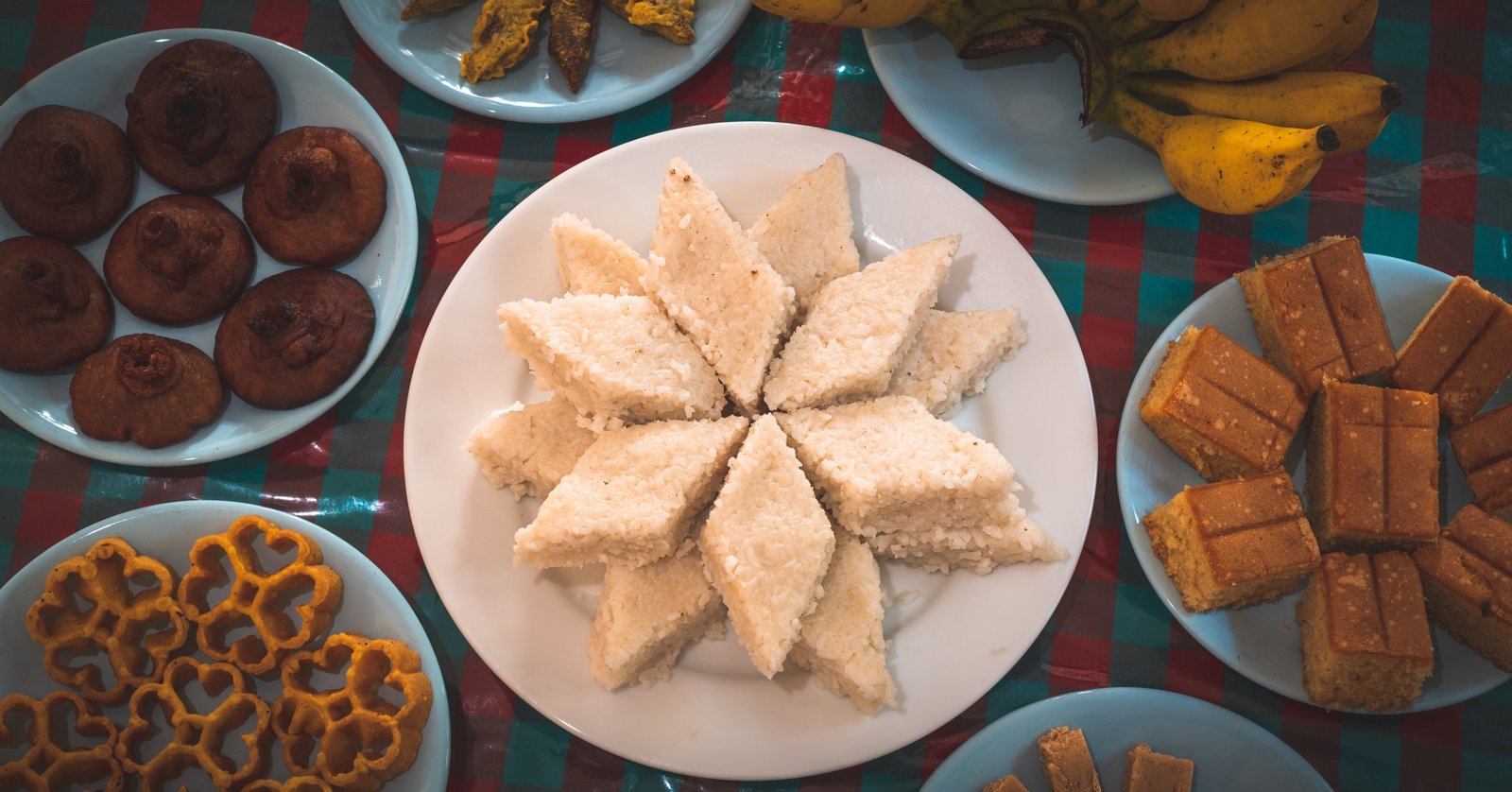
As the harvest season ends, the entire nation pauses for Aluth Avurudda, a unique celebration observed by both the Sinhalese Buddhist majority and the Tamil Hindu minority. This festival is not tied to a specific religion but to the transition of the sun from the house of Pisces to Aries. It’s a time for family, with a series of auspicious times dictating everything from lighting the hearth to make milk rice (kiribath) to the first meal and the first transaction of the new year.
For visitors, this is a chance to witness authentic Sri Lankan home life. The sound of firecrackers fills the air, and communities come together for traditional games like pillow fights (kotta pora) and swinging on giant swings (onchili). You’ll be welcomed with a plate of homemade sweets like kokis and kavum, experiencing firsthand the legendary hospitality of the island.
Vesak Festival
- When: The full moon day in May
Commemorating the birth, enlightenment, and passing of Lord Buddha, Vesak is arguably Sri Lanka’s most beautiful and spiritual festival. As dusk falls, the island is transformed into a sea of light. Intricately crafted paper lanterns (Vesak kudu) are hung outside every home and shop, casting a gentle, multi-coloured glow. Cities and towns erect massive, illuminated pandals (thoran) that depict stories from the Buddha’s life.
Vesak is a deeply moving experience. The air is filled with the scent of incense and the sound of devotional songs. A standout tradition is the dansal – roadside stalls set up by local communities offering free food and drink to everyone, regardless of faith. Participating in this act of generosity, whether by enjoying a meal or simply observing, is a powerful way to connect with the Buddhist principle of compassion.
Esala Perahera, Kandy
- When: July–August (over ten nights)
Held in the hill capital of Kandy, the Esala Perahera is one of Asia’s most spectacular pageants. This grand procession is held to honour the Sacred Tooth Relic of the Buddha, which is housed in the Sri Dalada Maligawa (Temple of the Tooth). For ten nights, the streets of Kandy come alive with a mesmerizing parade of whip-crackers, fire-dancers, traditional drummers, and hundreds of lavishly decorated elephants.
The final Randoli Perahera is the most magnificent, featuring the temple’s main tusker majestically carrying a replica of the sacred casket. The sheer scale, energy, and devotion on display are breathtaking. It’s a vibrant, living piece of history that draws crowds from all over the world.
Ramadan & Eid-ul-Fitr
- When: The ninth month of the Islamic lunar calendar
During the holy month of Ramadan, Sri Lanka’s Muslim community observes a period of fasting, prayer, and reflection. While this is a more introspective time, the evenings come alive as families gather to break their fast (iftar). Many mosques and homes welcome visitors to share in the spirit of community. The festival culminates with Eid-ul-Fitr, the “Festival of Breaking the Fast,” a joyous day of prayers, family visits, and feasting. Traditional dishes like fragrant biryani and the rich, spiced custard dessert watalappan are central to the celebrations.
Deepavali
- When: October or November (according to the Hindu lunar calendar)
Known as the “Festival of Lights,” Deepavali is celebrated by the Tamil Hindu community across Sri Lanka. It symbolizes the spiritual victory of light over darkness and good over evil. Homes are deep-cleaned and decorated with kolam (intricate rice flour drawings) on the floor, and rows of small clay lamps (diyas) are lit at nightfall, creating a warm, inviting glow. Families gather for prayers, wear new clothes, and share festive meals and sweets. For visitors, it’s a beautiful, family-oriented festival that fills the streets with light and a sense of renewal.
Nallur Festival, Jaffna
- When: August (spanning 25 days)
In the northern city of Jaffna, the annual festival of the Nallur Kandaswamy Kovil is a powerful display of Hindu faith and devotion. This long and vibrant festival is dedicated to Lord Murugan and features daily processions where the deity is paraded around the temple on elaborate, handcrafted chariots. The energy is palpable, with rhythmic drumming, chanting, and acts of penance performed by devotees. The penultimate day sees the spectacular chariot festival (Ther Thiruvila), where thousands of devotees join to pull the massive chariot, a colourful and deeply spiritual spectacle.
Independence Day
- When: February 4th
A more secular event, Sri Lanka’s Independence Day marks the country’s freedom from British rule in 1948. The main celebration is held in Colombo, featuring a grand military parade, flag-hoisting ceremonies, and cultural performances that showcase the nation’s diverse heritage through traditional dance and music. It’s a day of national pride and a great opportunity to witness the formal, patriotic side of the country.
Kataragama Festival
- When: July–August
The sacred town of Kataragama in the south becomes a focal point for a unique multi-faith festival that draws Buddhists, Hindus, and the indigenous Vedda community. The festival is a tribute to the powerful deity Kataragama Deviyo (Lord Murugan). The atmosphere is intense and carnivalesque, filled with ancient rituals. Devotees perform acts of penance, including fire-walking and body piercing, as a testament to their faith. The nightly Perahera (procession) is a raw, powerful experience, different in feel from its Kandy counterpart but equally captivating.
Galle Literary Festival
- When: January
For those with a creative inclination, the Galle Literary Festival is a must. Set within the charming, cobbled streets of the UNESCO World Heritage Galle Fort, this event brings together renowned international and Sri Lankan authors for days of talks, workshops, and panel discussions. The festival’s intimate and relaxed atmosphere makes it easy to interact with writers and fellow book lovers. It has expanded to include art trails, gourmet food events, and musical performances, making it a premier cultural event in South Asia.
What Visitors Should Know
- Best Times to Visit: Festivals happen year-round, so you’re likely to catch something whenever you visit. However, April (New Year), May (Vesak), and July/August (Kandy & Kataragama festivals) are particularly vibrant months.
- Dress and Behave Respectfully: When visiting any religious site or attending a festival, dress modestly. This means covering your shoulders and knees. Remove your hat and shoes before entering temples. Always be mindful that these are sacred events, so observe with respect and ask for permission before taking close-up photos of people.
- Join In, Don’t Just Watch: Locals are generally welcoming. If offered food at a dansal during Vesak, accept it graciously. During the New Year, a smile and “Suba Aluth Avuruddak Wewa” (Happy New Year) will be warmly received. The best way to experience a festival is to immerse yourself in the atmosphere.
- Booking Ahead: For major events like the Esala Perahera in Kandy, accommodation gets booked up months in advance. Plan and book your stay early to avoid disappointment and inflated prices.
Why These Festivals Matter to a Traveler
Experiencing a festival in Sri Lanka is about more than just witnessing a colourful parade. It’s an invitation to step into the heart of a community and understand what moves the people who call this island home. It offers a connection that goes deeper than a typical tourist itinerary, allowing you to share in the joy, devotion, and humanity that unite the island. Attending one of these celebrations will undoubtedly enrich your understanding of Sri Lanka, leaving you with memories of not just what you saw, but what you felt.