

Introduction
UNESCO World Heritage Sites are locations recognized by the United Nations Educational, Scientific and Cultural Organization (UNESCO) for their outstanding cultural or natural importance to the common heritage of humanity. These sites highlight the diversity of our planet and serve as reminders of our shared history, traditions, and natural wonders. The significance of preserving such sites cannot be overstated, as they foster global awareness and appreciation for the richness of human achievement and environmental beauty.
Sri Lanka, an island nation rich in history and natural diversity, boasts a remarkable contribution to the UNESCO World Heritage listings. With eight official sites listed, Sri Lanka showcases a blend of cultural and natural heritage that reflects its long and varied history. From ancient cities brimming with archaeological treasures to lush rainforests teeming with endemic species, these sites illustrate the island’s unique ecological and historical narrative.
The cultural sites include ancient temples, fortresses, and cities that speak to the diverse influences that have shaped Sri Lankan society over the centuries. On the other hand, the natural sites highlight the country’s diverse ecosystems, including mountainous regions, forests, and coastal areas that support an abundance of wildlife. The designation of these locations as World Heritage Sites serves not only to protect them but also to promote sustainable tourism that benefits local communities while preserving the integrity of the environment.
This blog post aims to guide readers through all eight UNESCO World Heritage Sites in Sri Lanka, delving into their rich histories, significance, and the natural beauty they encompass. Join us as we explore these remarkable sites and the narratives they tell about Sri Lanka’s diverse cultural and natural heritage.
Ancient City of Anuradhapura
Located in the North Central Province of Sri Lanka, the Ancient City of Anuradhapura stands as a testament to the country’s rich historical and cultural heritage. Founded in the 4th century B.C., Anuradhapura served as the capital of Sri Lanka for over a millennium and is recognized as one of the oldest continuously inhabited cities in the world. Designated as a UNESCO World Heritage Site, this remarkable city features an array of well-preserved monuments and is renowned for its exceptional archaeological significance.
Anuradhapura’s historical importance is encapsulated in its numerous stupas, the most notable being the Ruvanvelisaya, which symbolizes the pinnacle of ancient Sri Lankan architecture. Visitors also flock to the sacred Bodhi Tree, which is believed to have grown from a cutting of the original tree under which Siddhartha Gautama attained enlightenment. This tree is a central pilgrimage site for Buddhists around the globe and emphasizes the spiritual essence of Anuradhapura. Other significant attractions include the Isurumuniya Temple and the expansive ruins of the ancient reservoirs that showcase advanced engineering skills of early Sri Lankan civilization.
The best times to visit Anuradhapura are during the cooler months, from November to March, when the climate is more temperate and conducive for sightseeing. Travellers are encouraged to dress conservatively as Anuradhapura holds great religious significance. It is advisable to start your tour early in the day to avoid the heat and to fully appreciate the vastness of the sites. Rent a bicycle or hire a local guide to make the most of your visit, as this will provide insight into the rich history and cultural context of the city.
Overall, the Ancient City of Anuradhapura is a place where history comes alive, offering invaluable lessons about the past and profound connections to the present. Its status as a UNESCO World Heritage Site underscores its global importance and makes it a must-visit destination for those exploring Sri Lanka’s remarkable heritage.
Ancient City of Polonnaruwa
The Ancient City of Polonnaruwa, located in the North Central Province of Sri Lanka, stands as a testament to the island’s rich historical legacy. Declared a UNESCO World Heritage Site in 1982, Polonnaruwa served as the capital of Sri Lanka from the 11th to the 13th centuries, a period marked by significant cultural and architectural advancements. The remnants of this ancient city encapsulate the ingenuity and artistry of the era, showcasing a range of remarkable structures, including the famed Gal Vihara—an impressive rock temple housing four colossal statues of the Buddha, exemplifying intricate craftsmanship and religious devotion.
Visitors to Polonnaruwa can explore an array of well-preserved ruins, such as the Royal Palace, the Audience Hall, and numerous stupas, which together narrate the story of a prosperous civilization. The city’s layout reflects advanced planning and urban design from its time as a royal capital. To truly appreciate the historical significance of Polonnaruwa, it is recommended to visit during the cooler months, from November to March, as the weather is more conducive to exploration. Early mornings or late afternoons provide an ideal time for touring, allowing visitors to avoid the high midday temperatures and enjoy the serene landscape punctuated by ancient structures.
When traveling to Polonnaruwa, be sure to wear comfortable footwear, as the archaeological sites require considerable walking. Additionally, visitors should be respectful of the cultural heritage, observing guidelines at religious sites. Overall, Polonnaruwa plays a crucial role in illustrating Sri Lanka’s historical narrative, reflecting the island’s diverse heritage and serving as a significant destination for those interested in exploring the deeper layers of the country’s past.
Ancient City of Sigiriya (Lion Rock)
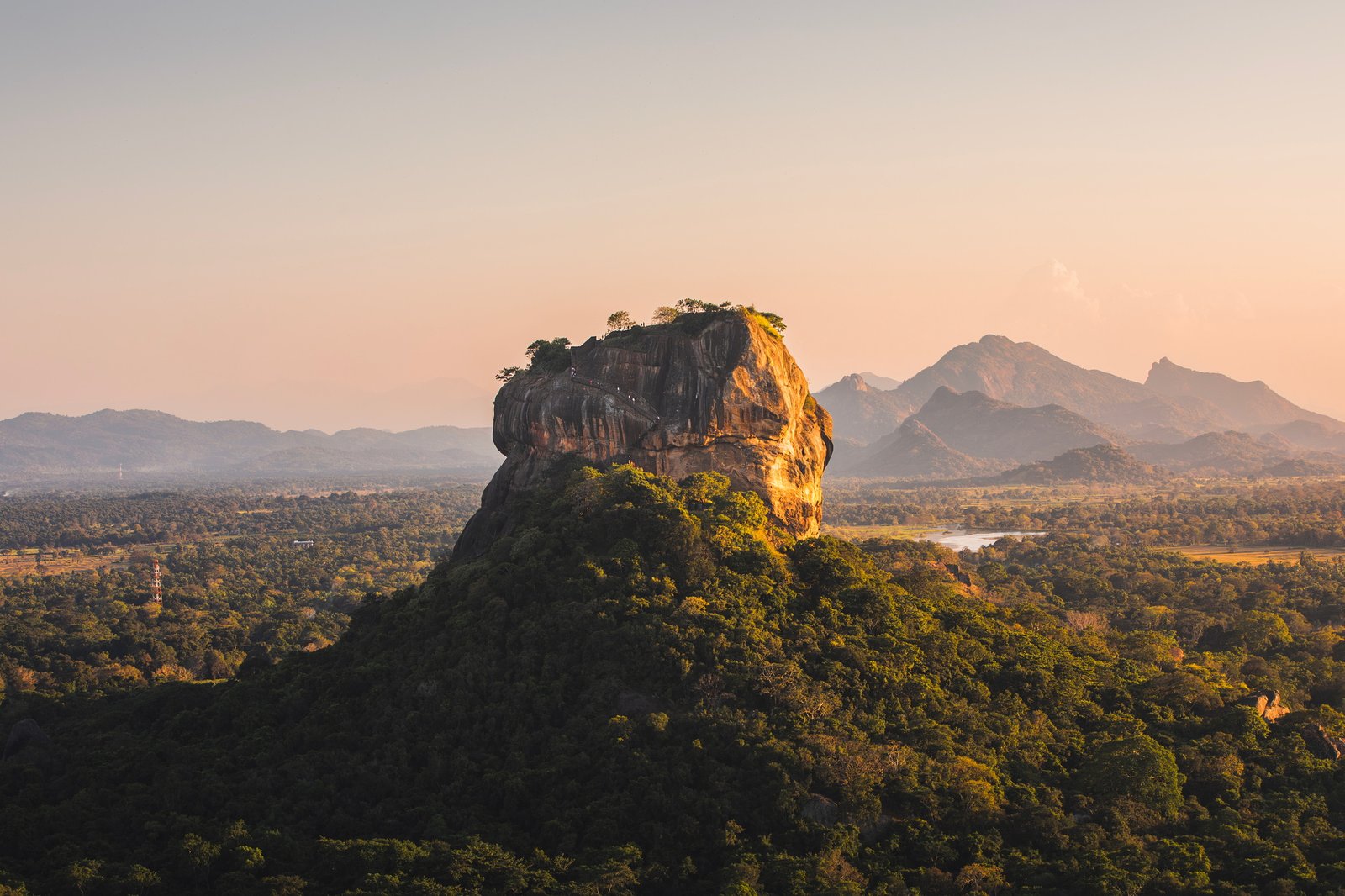
The Ancient City of Sigiriya, often referred to as Lion Rock, stands as a remarkable testament to the architectural brilliance of ancient Sri Lanka. Situated in the Matale District, this UNESCO World Heritage Site draws attention not only due to its impressive rock formation but also for its historical and archaeological significance. Rising abruptly from the plains, the Sigiriya rock fortress is a fortification that dates back to the 5th century AD, designed by King Kashyapa as a royal citadel. Its unique integration of natural and constructed elements makes it an extraordinary example of urban planning and landscape design.
The journey to the summit of Sigiriya is both a physical challenge and an absorbing moment in history, as one navigates through the remains of ancient gardens, pools, and murals. Visitors are advised to plan their trips early in the morning or later in the afternoon to avoid the oppressive midday heat and the usual crowding of tourists, thus ensuring a more enjoyable experience. As the sun rises or sets, the scenic views amplify the beauty of the fortress and provide excellent photographic opportunities.
Travelers should come prepared with water, sturdy footwear, and a camera to capture the intricate details of the frescoes, which are masterpieces of ancient Sri Lankan art. Furthermore, the site is not only significant for its architectural achievements but also for its many mythological connections, including tales of the legendary lion representing the guardians of the kingdom. Today, Sigiriya remains a symbol of the ingenuity and creativity of ancient Sri Lankan civilization, attracting historians, archaeologists, and curious travelers from all corners of the globe.
Sacred City of Kandy (Temple of the Tooth)
Kandy, located in the central highlands of Sri Lanka, is an enchanting city known for its rich cultural heritage and stunning natural beauty. The Sacred City of Kandy is particularly revered as the home to the Temple of the Tooth Relic, known locally as Sri Dalada Maligawa. This temple houses the sacred relic of the tooth of the Buddha, making it one of the most significant religious sites in the Buddhist world. The temple itself is an architectural masterpiece, featuring intricate woodwork, stunning paintings, and a serene atmosphere that reflects the deep spirituality of the area.
When planning a visit, it is recommended to experience the temple during festivals, especially the annual Esala Perahera, held in July or August. This grand procession celebrates the tooth relic’s significance and showcases vibrant cultural performances, dances, and beautifully adorned elephants. Visitors can witness a harmonious blend of religious devotion and cultural magnificence, enhancing the experience of being in this historical city.
To make the most of your visit to Kandy and the Temple of the Tooth, it is advisable to dress modestly, adhering to the respectful traditions observed at this sacred site. Guided tours are available and can enrich your understanding of the temple’s historical and cultural context. Furthermore, local accommodations in Kandy can provide a comfortable stay, allowing you to explore surrounding attractions like the Royal Botanical Gardens and the tranquil Kandy Lake.
Kandy stands as a testament to Sri Lanka’s multifaceted history, intertwining colonial influences with traditional Sinhala culture. Recognized as a UNESCO World Heritage Site, its significance extends beyond its religious importance to embody the essence of the island’s cultural heritage. The Temple of the Tooth is not merely a site of worship; it represents the heart of Kandy’s enduring spirit and its position as a key player in Sri Lanka’s historical narrative.
Golden Temple of Dambulla (Dambulla Cave Temple)
The Golden Temple of Dambulla, also known as the Dambulla Cave Temple, is a remarkable site located in the central region of Sri Lanka. Nestled amidst a vast complex of caves, it stands as the largest and best-preserved cave temple complex in the country, a testament to Sri Lanka’s extensive Buddhist heritage. This UNESCO World Heritage Site is renowned for its stunning collection of over 150 Buddha statues, intricate frescoes, and ornate carvings that date back to the first century BCE. The cave system itself features five main caves, each adorned with beautiful wall paintings and sculptures that depict the life and teachings of the Buddha.
Visitors to the Golden Temple are often captivated by the striking art and the tranquil atmosphere that envelops the site. The temple not only serves as a place of worship but also as an artistic treasure trove, making it a significant destination for both pilgrims and tourists alike. The Dambulla Cave Temple is particularly notable for its well-preserved frescoes, which showcase the artistic influences that have shaped Buddhist art over the centuries. These masterpieces highlight the skill and creativity of ancient Sri Lankan artisans and remain relevant within contemporary discussions surrounding Buddhist culture and art.
The most favorable times for visitation are during the cooler months, particularly from November to April, when the weather is mild and ideal for exploration. Practical travel advice includes appropriate dress, as visitors are required to dress modestly to respect the sanctity of the site. Ascending the steps leading to the caves may require moderate physical effort; therefore, comfortable footwear is recommended. Overall, a visit to the Golden Temple of Dambulla presents a unique opportunity to engage with the rich spiritual and artistic traditions of Sri Lanka, offering insights into the profound historical narratives woven into the very fabric of the site.
Old Town of Galle and Its Fortifications
Located on the southwestern coast of Sri Lanka, Galle is a historic city known for its rich maritime heritage and colonial architecture, particularly the remarkable Galle Fort. Established by the Portuguese in the 16th century and later fortified by the Dutch, this UNESCO World Heritage Site tells a compelling story of colonial influence and its impact on local culture. The fort’s ramparts, which offer stunning views of the Indian Ocean, stand as a testament to the city’s historical significance in global trade and colonial encounters.
The architectural beauty of Galle Fort encompasses a variety of styles, blending European and South Asian influences. Visitors can explore the narrow streets, lined with well-preserved buildings that house cafes, boutiques, and art galleries. Remarkable structures such as the Dutch Reformed Church and the Maritime Museum are essential stops for those interested in the city’s history. Galle’s vibrant atmosphere is further enriched by its local culture, showcasing traditional crafts, music, and cuisine that reflect the diverse influences that have shaped this coastal town.
For those planning a visit, the best time to experience Galle is from December to March, when the weather is most pleasant for outdoor activities. It is advisable to explore the fort on foot to fully appreciate its historical context and picturesque scenery. Additionally, visiting during weekdays can help avoid larger tourist crowds. Travelers should also consider sampling local seafood delicacies at one of the many seaside restaurants to complete their Galle experience. Whether exploring ancient fortifications or enjoying the serene coastal views, Galle offers a unique glimpse into Sri Lanka’s rich maritime heritage and colonial past, making it a must-visit destination for history enthusiasts and travelers alike.
Central Highlands of Sri Lanka (Horton Plains, Peak Wilderness, Knuckles)
The Central Highlands of Sri Lanka encompass a remarkable range of ecological and scenic landscapes, showcasing an extraordinary biodiversity that is recognized as a UNESCO World Heritage Site. This region includes three key areas: Horton Plains, Peak Wilderness, and the Knuckles mountain range. Each of these locations contributes to the rich tapestry of Sri Lanka’s natural heritage, attracting nature enthusiasts and researchers alike.
Horton Plains National Park is renowned for its unique ecosystems and is home to several endangered species. This plateau offers breathtaking vistas, particularly at the iconic viewpoint known as “World’s End,” where the land drops dramatically, providing stunning views of the surrounding valleys. To fully enjoy this spectacle, the best time to visit is during the cooler months from December to March, when the mist is less prevalent and visibility is at its peak.
Adjacent to Horton Plains, the Peak Wilderness Sanctuary offers a different yet equally compelling experience. This area is characterized by rugged terrain, deep valleys, and dense forests. Birdwatchers will find this sanctuary particularly rewarding, as it hosts a variety of endemic bird species. Visitors should embark on their journeys in the early morning, not only to beat the afternoon heat but also to witness the early-morning chorus of birds welcoming the day.
The Knuckles mountain range, with its distinctive shapes and rich cultural history, further enhances the ecological significance of the Central Highlands. The lush forests here are home to numerous flora and fauna, many of which are unique to the region. Ideal times for trekking and exploring the area are from May to September when the weather is relatively dry.
Overall, the Central Highlands of Sri Lanka represent a vital component of the country’s conservation efforts, underpinning the importance of protecting these unique ecosystems for future generations. Travelers should be mindful of their ecological footprint while visiting, promoting sustainable tourism practices that help preserve these magnificent landscapes.
Sinharaja Forest Reserve
Located in the southwestern region of Sri Lanka, Sinharaja Forest Reserve is an expansive biodiverse rainforest and a UNESCO World Heritage Site. Spanning approximately 88 square kilometers, it is considered one of the last viable plots of primary tropical rainforest in Sri Lanka. This biosphere reserve is recognized for its exceptional variety of flora and fauna, with many species endemic to the island. The rich biodiversity of Sinharaja has earned it significant ecological importance, making it a critical area for conservation efforts in Sri Lanka.
Visitors seeking to experience the pristine beauty of Sinharaja should ideally plan their visit between December and April. During these months, the weather is relatively dry, making trekking and wildlife sightings more accessible. The forest is home to numerous species of birds, butterflies, reptiles, and mammals, which are best observed during the early morning and late afternoon when animal activity peaks. Birdwatching enthusiasts will be particularly enthralled by the many endemic bird species such as the Sri Lanka blue magpie and the white-faced starling, found exclusively within this unique habitat.
When traversing Sinharaja, it is advisable to engage the services of trained local guides who can enrich your experience with their extensive knowledge of the forest’s ecosystem. The well-maintained trails provide opportunities for leisurely walks or more rigorous hikes, catering to all levels of fitness. Visitors should be mindful of proper preparation, including sturdy footwear, insect repellent, and ample water, to ensure a safe and enjoyable adventure. The Sinharaja Forest Reserve not only serves as a vital ecological sanctuary but also provides an unforgettable experience for nature lovers and wildlife enthusiasts.
Conclusion
Sri Lanka, an island nation steeped in history, boasts an impressive list of eight UNESCO World Heritage Sites that embody its rich cultural and natural heritage. Each site tells a unique story, reflecting the diverse influences of ancient civilizations, local traditions, and the stunning landscapes found across the island. From the sacred cities of Anuradhapura and Polonnaruwa, rich in archaeological significance, to the breathtaking natural beauty of the Central Highlands and the diverse wildlife in the Sinharaja Forest Reserve, these sites collectively illustrate the profound connection between Sri Lankan identity and its environment.
Visiting these UNESCO World Heritage Sites not only provides insight into the intricate tapestry of Sri Lanka’s history but also fosters a greater appreciation for its biodiversity and cultural practices. Each site serves as a testament to the artistic and architectural achievements of past civilizations, showcasing the island’s resilience and ability to adapt through time. The preservation of these locations is crucial, as they offer a tangible means of understanding the past, while also providing opportunities for education and tourism that can support local communities.
In light of this, travelers seeking to explore Sri Lanka should prioritize these magnificent sites, as they offer more than mere sightseeing opportunities; they provide a chance to connect with the essence of the nation. By witnessing the grandeur of these locations firsthand, visitors contribute to the ongoing narrative of Sri Lanka’s cultural and natural legacy. Embrace the opportunity to explore these rich landscapes and their historical significance, where every stone tells a story and every view offers a glimpse into the island’s alluring heritage.